Halloween
Halloween AI Prompts That Preserve the Face: A Copy-Paste Guide
Learn the five-part structure behind reliable Halloween AI prompts, with copy-ready recipes for portraits, pets, couples, and video.
Most Halloween prompts are a list of adjectives. They describe a mood but not an edit. A reliable prompt is closer to a creative brief: it names the source, protects what matters, describes the change, sets the scene, and lists the failure modes.
This guide breaks down the structure and gives copy-ready recipes you can use in FeyNoBg or another image model.
The five-part structure
Part one is the source and identity rule. Part two is the costume or makeup change. Part three is hair, accessories, and body details. Part four is the scene, light, and camera. Part five is the negative list.
If you remove the identity rule, the model may invent a new face. If you remove the scene, the subject may float in a generic studio. If you remove the negative list, extra fingers, text, and watermarks become more likely.
Portrait prompt template
Use the uploaded photo as the primary reference. Preserve the subject’s recognizable facial identity, facial proportions, skin tone, approximate age, body proportions, pose, and natural anatomy. Change the hairstyle to [hair]. Replace the clothing with [costume]. Place the subject in [scene] with [light]. Use photorealistic editorial photography. Keep the same number of people. Avoid altered identity, extra limbs, duplicated fingers, distorted anatomy, text, logos, and watermarks.
That template is intentionally boring. The creative decisions live in the brackets. A model does not need more adjectives; it needs fewer ambiguities.
Pet prompt template
Use the uploaded pet photo as the primary reference. Preserve the animal’s breed, fur color, distinctive markings, eye color, facial appearance, and natural anatomy. Dress the pet in [costume]. Keep the costume fitted naturally without covering the eyes or changing the species. Place the pet in [scene]. Create a photorealistic professional pet portrait. Avoid extra animals, unnatural paws, duplicated limbs, text, and watermarks.
The species guard is essential. Without it, a “dinosaur costume” prompt can turn a dog into a dinosaur. The eye guard prevents a costume from covering the face.
Seasonal workspace
Try the look
JPG, PNG or WebP · up to 10 MB · 1 credit only after success
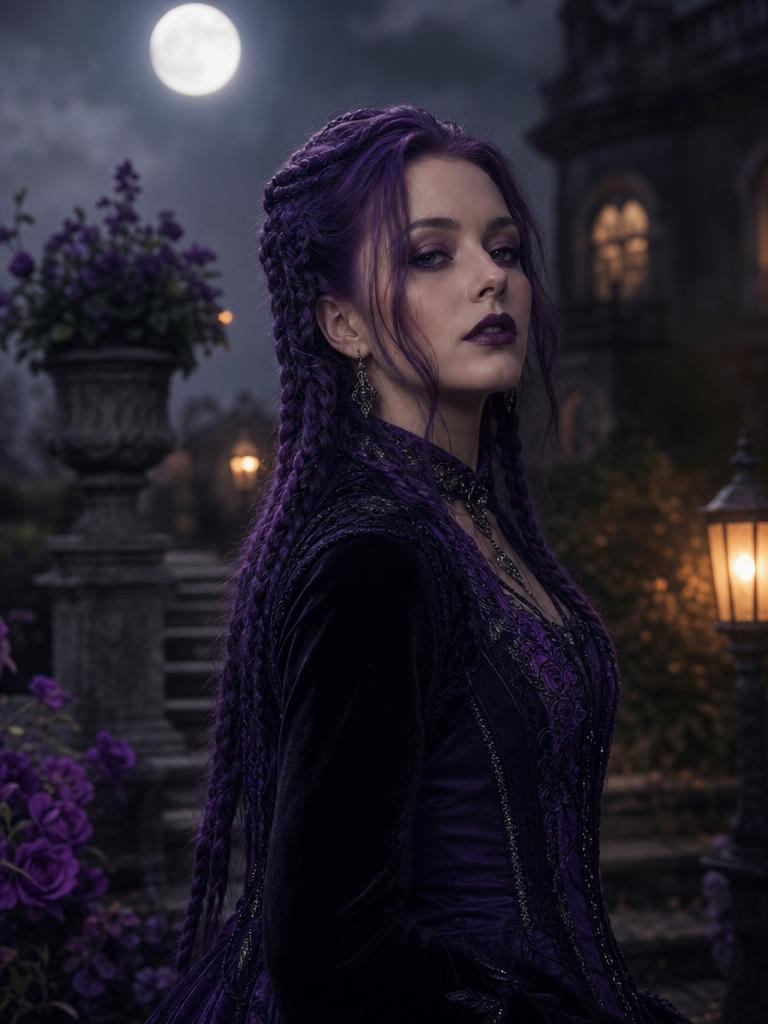
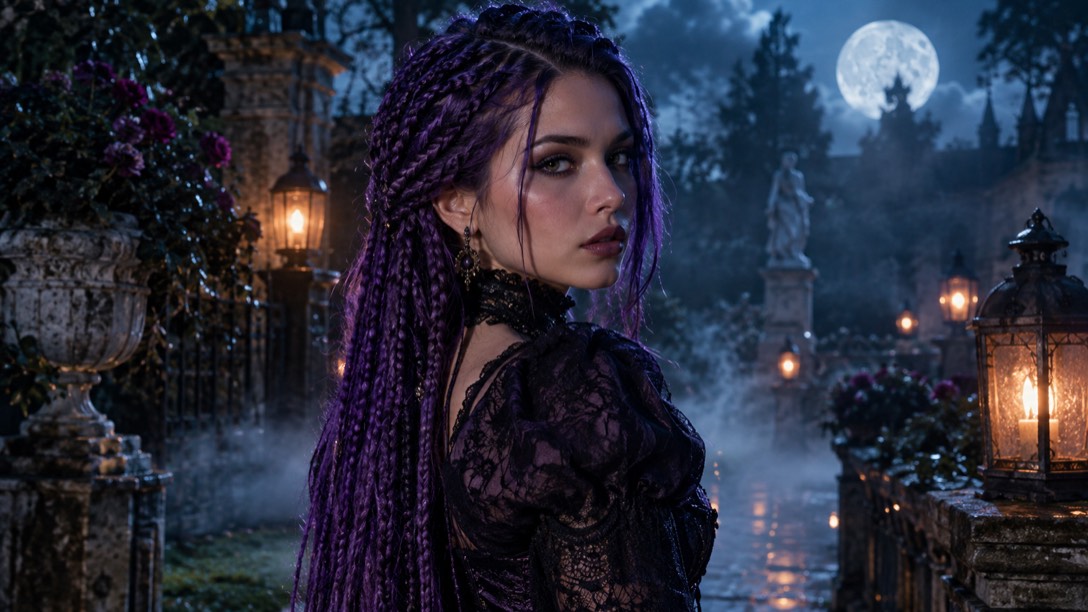
Violet braids, moonlight, and a Victorian garden.
Prompt recipe
Use the uploaded photo as the primary reference. Preserve the subject's recognizable facial identity, facial proportions, skin tone, approximate age, body proportions, pose and natural anatomy. Keep the same number of people as the uploaded photo. Avoid altered facial identity, extra people, extra limbs, duplicated fingers, distorted anatomy, text, logos and watermarks. Transform the subject into an original gothic Halloween fashion portrait. Change the hairstyle into long violet braids decorated with delicate silver hair accessories. Replace the clothing with an elegant black-and-purple velvet outfit featuring subtle lace and metallic details. Place the subject in a moonlit Victorian garden with soft fog, glowing lanterns and dark autumn foliage. Use photorealistic editorial photography, realistic fabric textures, natural skin details and cinematic soft lighting.
New accounts get 5 free credits. Sign in to use them.
Couple prompt template
Use the two uploaded photos as references. Preserve each person’s recognizable facial identity, facial proportions, skin tone, approximate age, and body proportions. Create a coordinated couple portrait with [costume A] and [costume B] in [shared scene]. Keep exactly two people. Do not swap faces, merge identities, add a third person, distort anatomy, add text, logos, or watermarks.
The two-photo reference is what makes this work. A single group photo gives the model less information about each face.
Video prompt template
Use the provided image as the exact reference and starting composition. Create a continuous five-second cinematic portrait animation. Keep the face, costume, hairstyle, and body proportions consistent. [One motion]. [One camera move]. Maintain realistic motion, stable anatomy, and consistent lighting. Do not change identity, replace the costume, add characters, or introduce scene cuts. No text or watermarks.
One motion and one camera move. A five-second clip cannot support a full story. The constraint is what makes the result usable.
How to test a prompt
Change one variable at a time. Start with a known-good source and a known-good preset. If you change the source, the prompt, and the model together, you cannot learn which change helped.
Keep a short log: source, prompt, model, result, and the one thing you would change next. After a few tests, you will know which phrases your model follows and which ones it ignores.
Words that add control
Specific nouns add control: velvet, lace, silver, braided, moonlit, Victorian, ankle-length. Specific spatial language adds control: centered, waist-up, facing the camera, three-quarter turn. Specific light adds control: soft key light, rim light, warm lantern, cool moonlight.
These words are not decoration. They tell the model which visual decisions are already made, so it has fewer opportunities to invent something you did not want.
Words that add noise
“Beautiful,” “amazing,” “high quality,” and “masterpiece” do not tell the model what to change. They are quality wishes, not instructions. A prompt full of them can still produce a generic image.
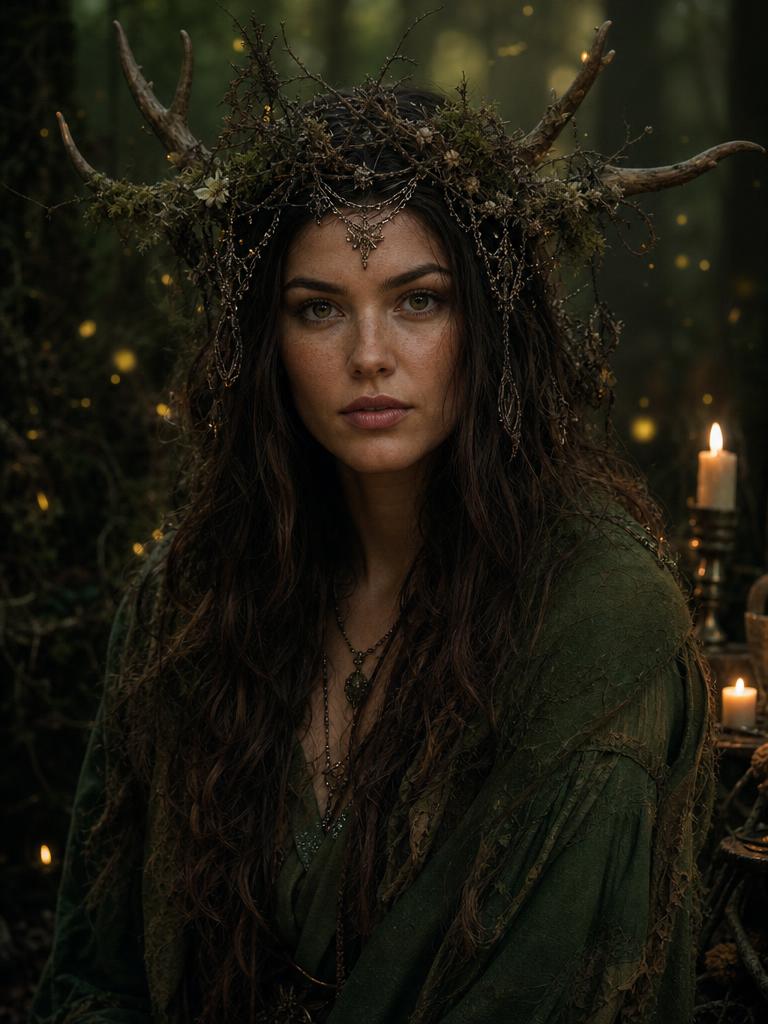
“Spooky” is also weak on its own. It can mean cute, gory, dark, or campy. Say which one you mean: a playful mascot, a candlelit forest, a graphic makeup look, or a cinematic fog.
A prompt test log
Keep four columns: source, prompt, model, and result. Add one sentence about the biggest failure. After five tests, read the log and look for a pattern. Maybe your source photos are too soft; maybe the model ignores negative constraints; maybe a shorter prompt works better.
The log turns prompt writing from a guessing game into a small experiment. It also prevents you from repeating the same failed prompt a week later.
A prompt is not a personality test
Do not judge a prompt by how poetic it sounds. Judge it by whether the result matches the brief. A plain, specific prompt that preserves the face is better than a lyrical prompt that produces a stranger.
Keep the poetry for the scene description if you want it. The identity and anatomy clauses should be plain. The model does not need atmosphere in the part that says “keep the same number of people.”
A shorter prompt for a quick test
For a fast first test, cut the scene description and keep the identity, costume, and negative clauses. If the face and costume work, add the scene back. This isolates the part that matters most.
A short prompt is also easier to compare across models. Once you know the model can hold the face, you can spend more words on atmosphere.
What to take away
A good prompt is a clear brief. Protect the identity, describe the change, set the scene, and name the failure modes. The result will be easier to judge and easier to improve.
Questions
Can I use these prompts in Gemini or ChatGPT?
Yes. They are plain-language instructions. Remove the identity clause if you are generating a new person.
Why do the prompts repeat the same rules?
Repetition reduces ambiguity. The model sees the identity and negative constraints in more than one place.
Do I need a different prompt for every model?
Start with the same structure. Some models respond better to shorter prompts, but the five jobs stay the same.