Halloween
Buddy the Unicorn Costume Ideas You Can Preview With AI
A mascot-horror Halloween direction inspired by the 2026 trend cycle: original haunted unicorn concepts, photo prompts, and safe ways to preview them.
Buddy the Unicorn was one of the strongest signals in the 2026 Halloween research: a recognizable mascot silhouette with a horror twist. The temptation is to copy the character. The better move is to understand why the idea spreads and build an original direction around it.
This article is about a haunted mascot aesthetic, not an official costume. It shows how to translate the trend into a photo prompt, what to avoid, and how to preview the idea without implying a license you do not have.
Why the mascot-horror combination works
A mascot is friendly by design. A horror version is unsettling because it keeps the friendly shape and changes the context. The contrast does the work: a soft silhouette, a blank smile, and a setting that feels wrong.
That is why the trend is more useful as a design principle than as a costume copy. You can apply it to a unicorn, a bear, a rabbit, or an original creature. The audience recognizes the pattern even when the character is new.
Build an original haunted unicorn direction
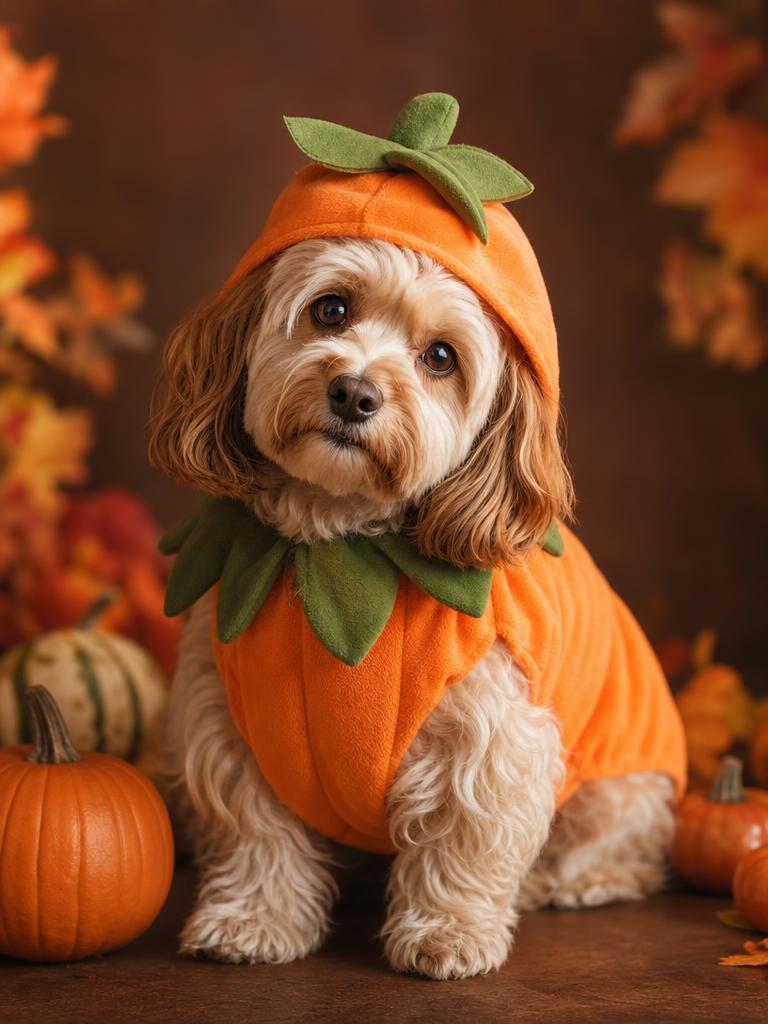
Start with the silhouette: a horn, a rounded head, a soft mane, and a pastel color that feels innocent. Then add one wrong detail: a cracked porcelain horn, a stitched plush seam, or a smile that is just slightly too wide.
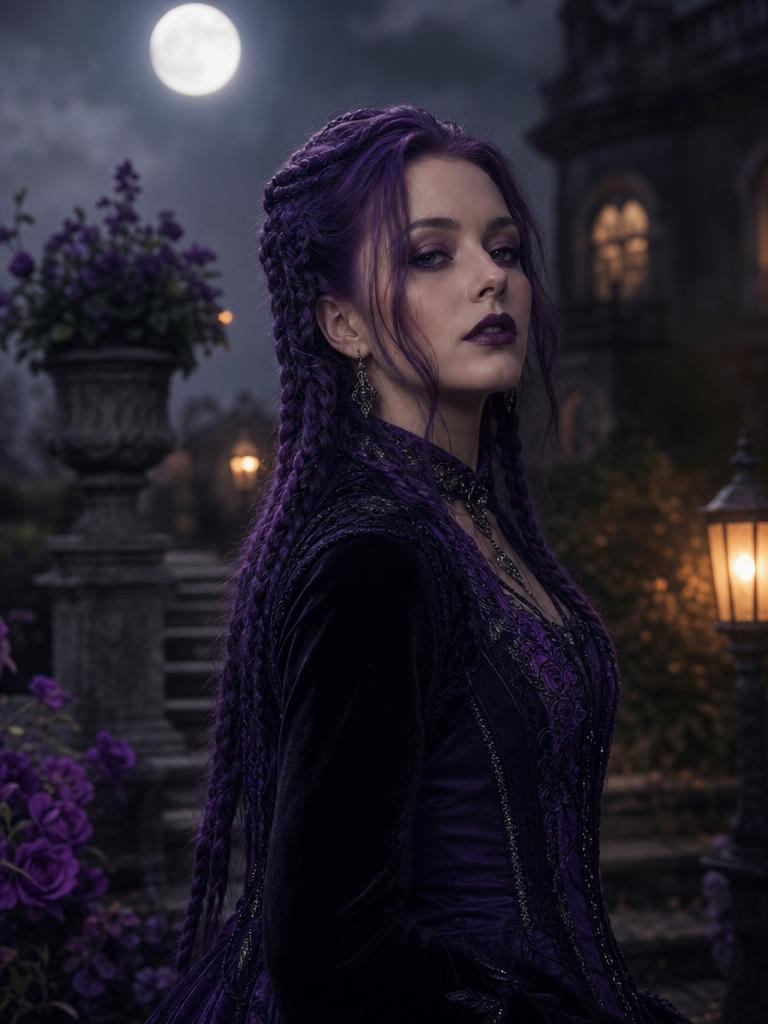
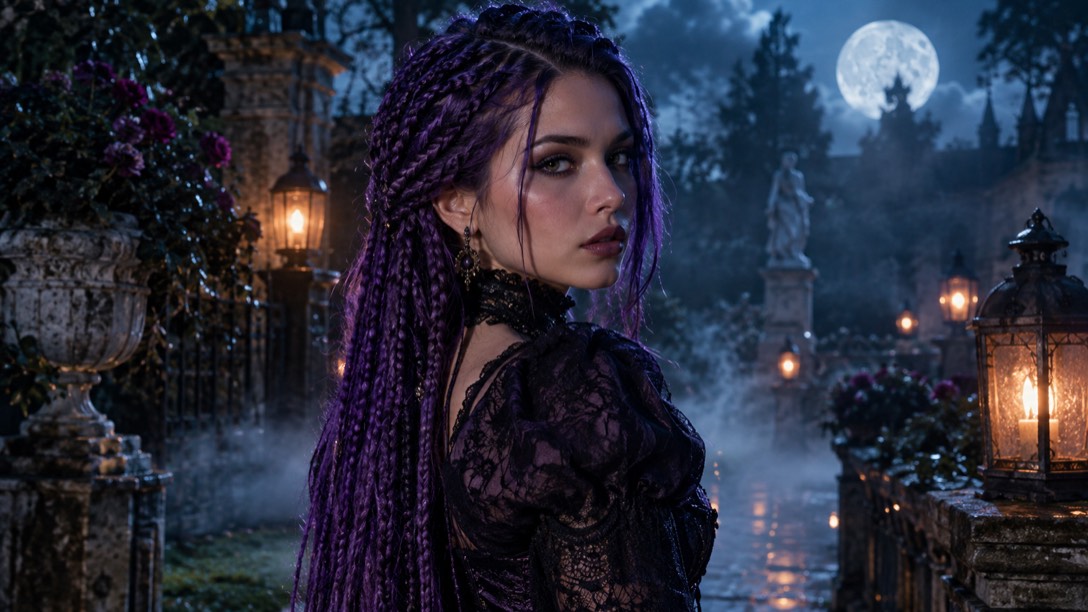
Keep the rest of the image grounded. A real fabric texture, a believable costume fit, and a dim hallway or a foggy garden will make the concept feel like a photograph rather than a cartoon.
A photo prompt that keeps the person
Use the uploaded photo as the primary reference. Preserve the face, skin tone, age, and body proportions. Add a handmade haunted-unicorn costume: a pastel hood with a cracked horn, a soft mane, and subtle stitch details. Place the subject in a dim autumn garden with a single warm light.
The negative list matters. Avoid a full mascot head that hides the face, avoid cartoon rendering, avoid extra horns, and avoid text or logos. The goal is a person in a costume, not a mascot suit that erases the person.
Seasonal workspace
Try the look
JPG, PNG or WebP · up to 10 MB · 1 credit only after success
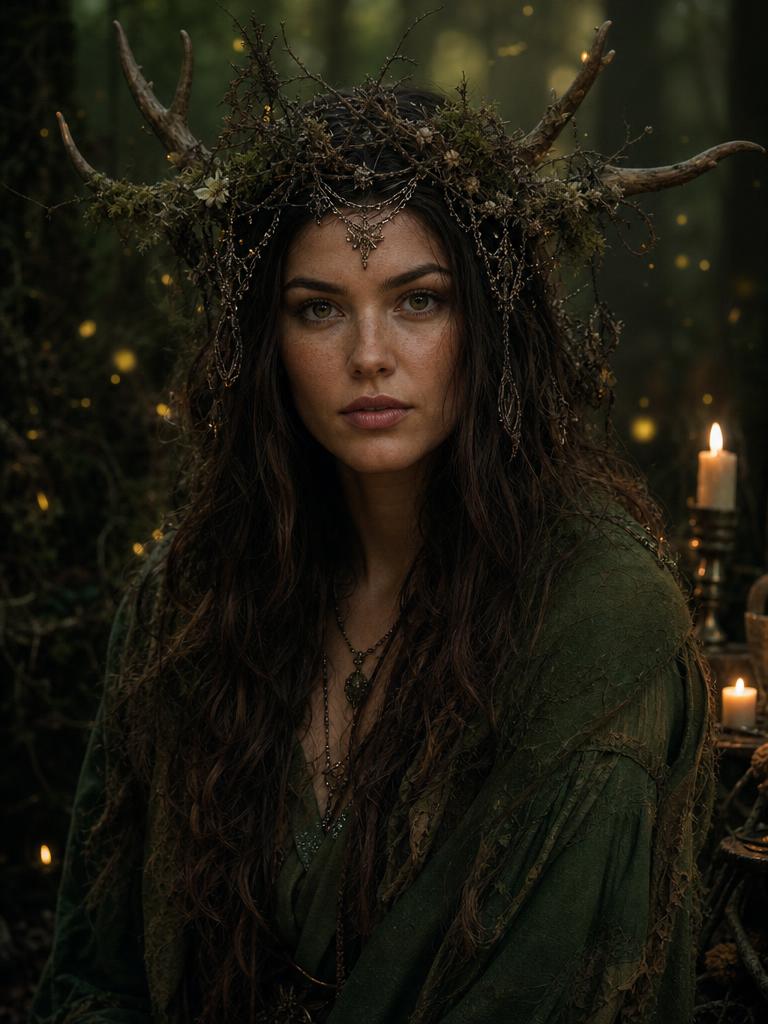
Moss, candlelight, and an ancient forest.
Prompt recipe
Use the uploaded photo as the primary reference. Preserve the subject's recognizable facial identity, facial proportions, skin tone, approximate age, body proportions, pose and natural anatomy. Keep the same number of people as the uploaded photo. Avoid altered facial identity, extra people, extra limbs, duplicated fingers, distorted anatomy, text, logos and watermarks. Transform the subject into an original forest witch portrait. Dress them in a layered moss-green cloak with natural textures, an antler-and-twig crown, and subtle botanical jewelry. Place the subject in an ancient forest at dusk with candlelight and fireflies. Use photorealistic fantasy fashion photography, natural skin texture, realistic fabric and cinematic soft lighting. Keep the person recognizable and the costume wearable.
New accounts get 5 free credits. Sign in to use them.
What not to do with a trend character
Do not use the character’s name as your product name, do not imply an official collaboration, and do not sell a costume as licensed merchandise. A trend page can discuss the search behavior without claiming the underlying rights.
If you are making a fan work, follow the platform’s rules and the rights holder’s terms. If you are making a commercial product, use an original creature and an original name.
Preview the idea before you commit
A generated portrait can tell you whether the color palette, silhouette, and lighting work. It cannot tell you whether a physical costume is comfortable or whether the horn will stay on. Use the preview to choose a direction, then build or buy the real piece.
Test two versions: a cute version with one unsettling detail, and a darker version with a stronger horror silhouette. Compare them at thumbnail size. The one that reads faster is usually the better costume idea.
A palette that reads as friendly and wrong
Pastel pink, cream, and soft lavender read as friendly. A single dark accent — a cracked horn, a black stitch line, a shadow under the eyes — makes the image feel wrong without turning it into gore. The contrast is the idea. If everything is dark, the mascot shape loses its unsettling innocence.
Use one warm light and one cool shadow. The warm light keeps the character approachable; the cool shadow adds the horror. A flat, evenly lit image tends to look like a plush toy rather than a character in a scene.
Photo composition for a mascot silhouette
A mascot reads best when the head and shoulders are clearly separated from the background. Leave space around the hood or ears so the silhouette is not cropped. If the costume has a large horn or mane, a three-quarter angle can show the shape better than a straight-on passport photo.
Keep the person’s eyes visible. A full mascot head hides the identity and makes the image feel like a costume rental ad rather than a portrait. An open hood, a partial mask, or a face framed by the costume keeps the person present.
How to write an original character brief
Write four lines: the silhouette, the material, the wrong detail, and the setting. For example: a rounded unicorn hood, soft fleece, a cracked porcelain horn, a dim autumn garden. That brief is specific enough to generate and general enough to avoid copying a protected character.
Add a negative list: no full face cover, no cartoon rendering, no extra horns, no text. The negative list is where you protect the person and the originality of the design.
A photo brief for a haunted mascot
Shoot or choose a portrait with the shoulders visible and the face unobstructed. A plain background makes it easier to see the hood and horn silhouette. If the costume has a large collar, leave room around the neck so the shape does not merge into the jaw.
When you write the prompt, describe the hood as a garment rather than a head replacement. “An open pastel hood with a cracked horn” keeps the person inside the costume. “A unicorn mascot head” invites the model to replace the face.
What to take away
The useful lesson from Buddy the Unicorn is not the character. It is the contrast between a friendly silhouette and a horror setting. Build an original version, protect the face, and keep the rights clean.
Questions
Is this an official Buddy the Unicorn costume?
No. This is an original haunted-mascot direction inspired by a public trend. It does not grant rights to the character.
Can I use the character name in my page title?
You can discuss the trend, but do not imply an official product or collaboration. Use an original name for anything you sell.
How do I keep the face visible in a mascot costume?
Use an open hood or a partial mask rather than a full mascot head, and tell the model to preserve the face.