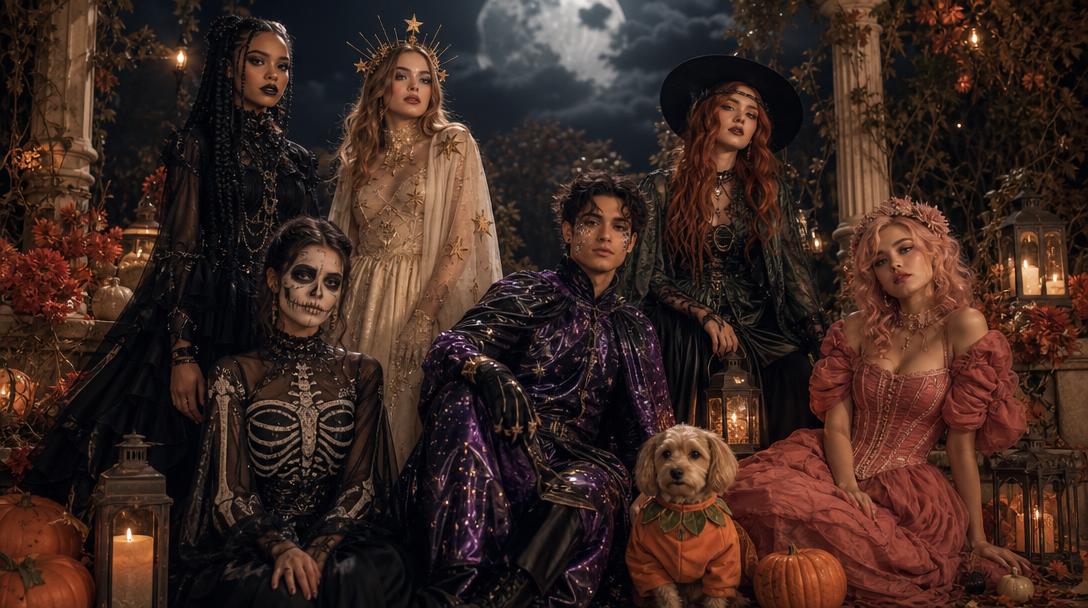
Trend research
AI Halloween trends 2026
A trend is only useful if it becomes a page, a prompt, or a product people can use. Here are the signals worth testing, and the caveats that keep the data honest.
Updated 2026-10-20
The 2026 Halloween research started with a simple observation: a mascot-horror character, Buddy the Unicorn, had a sharp seasonal search curve and a surprisingly low keyword-difficulty estimate. That combination is interesting, but it is not a guarantee of traffic.
Third-party keyword tools estimate demand; they do not measure it directly. Seasonal terms can be wildly under- or over-estimated, especially in the weeks before Halloween. The right response is to build a small, high-quality set of pages, publish them early, and watch Search Console for real impressions.
The looks on this page
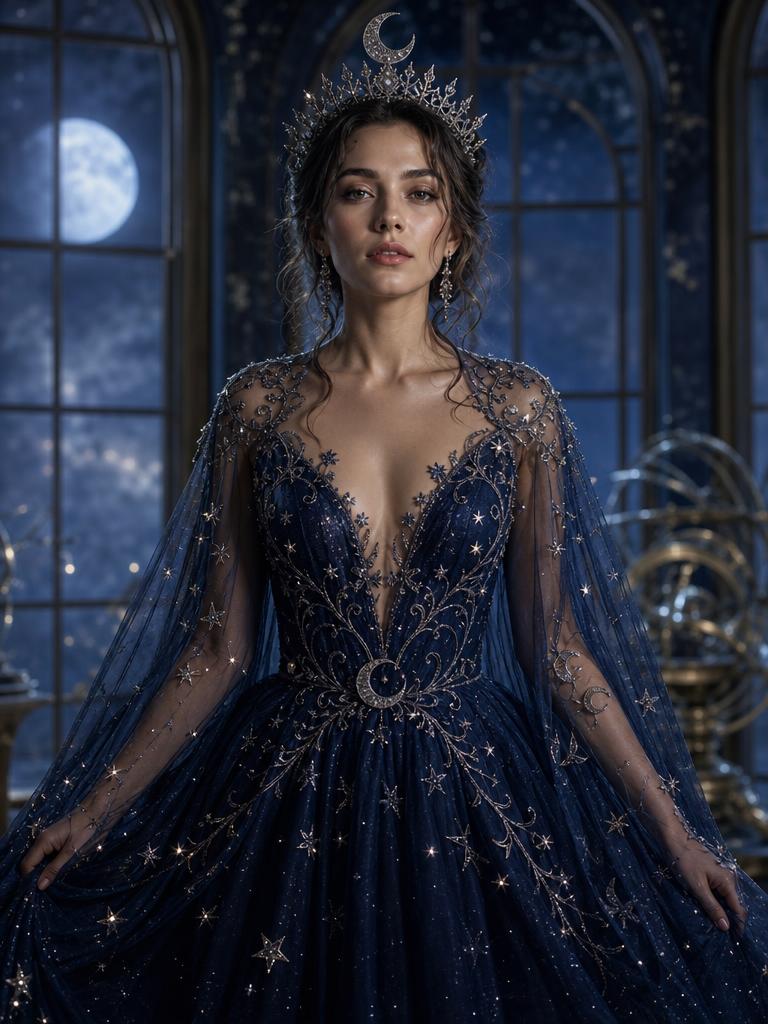
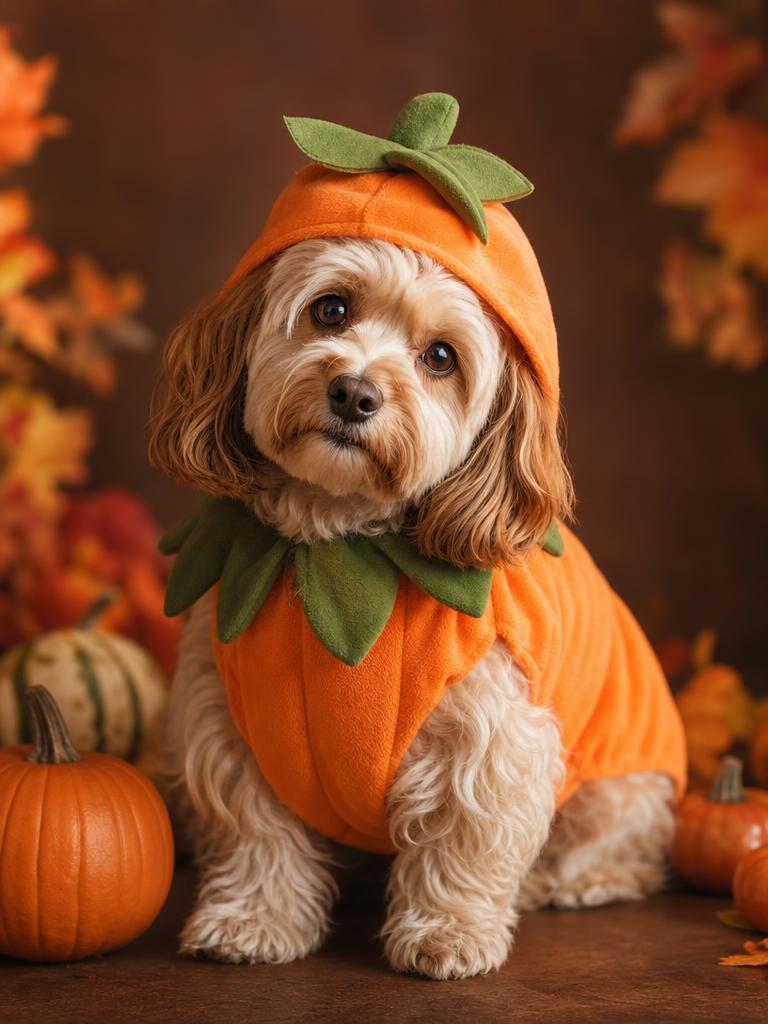
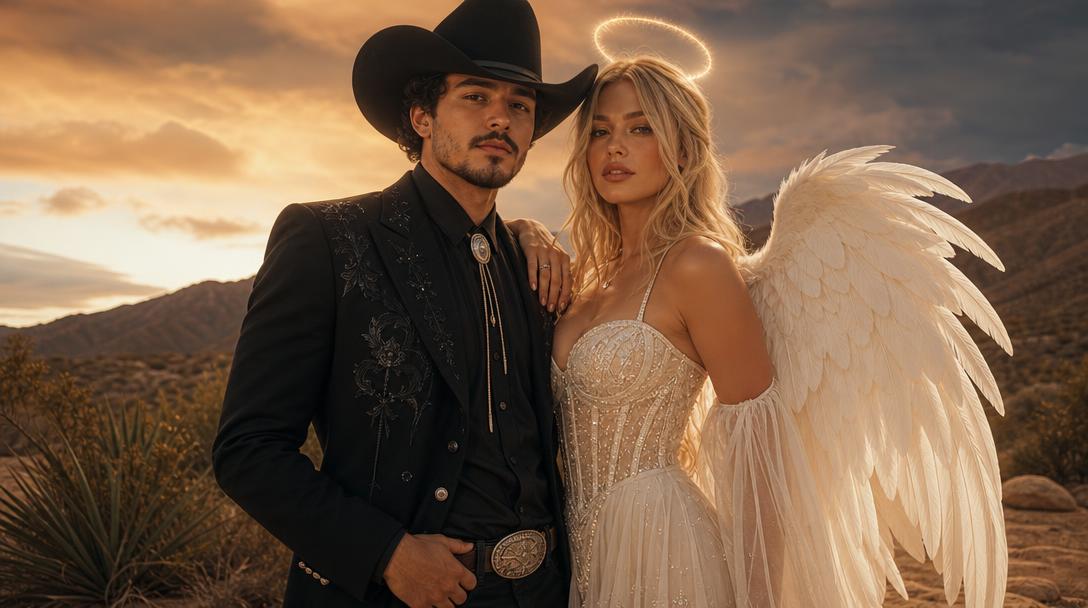
Each image is a GPT Image 2 concept asset. Each preset has a readable prompt and a real upload-and-generate path.

The keyword table, with caveats
The research note listed U.S. monthly estimates for Buddy the Unicorn (500 searches, KD 0), ai halloween (140, KD 20%), ai halloween costume generator (70, KD 16%), halloween ai (480, KD 15%), ai halloween trend (720, KD 22%), and halloween photo editor (90, KD 18%). These are directional estimates from a third-party tool, not Google’s internal numbers.
The important pattern is intent, not the exact volume. “Costume generator” wants an outfit preview. “Photo editor” wants an editing workflow. “Trend” wants a collection of looks and ideas. Those are three different pages, even when the words look similar.
- Buddy the Unicorn: mascot-horror costume interest; use an original haunted-mascot direction, not the copyrighted character.
- ai halloween / halloween ai: broad seasonal intent; a hub page with multiple entry points fits better than a single tool page.
- ai halloween costume generator: transactional; pair a real upload flow with a costume preview.
- halloween photo editor: editing intent; emphasize preservation, background, and download quality.
- ai halloween trend: informational; use a data-led page with examples and caveats.
Why the seasonal curve matters
Halloween demand is not flat. It rises sharply in the final weeks of October. A page published on October 20 has a short window to be crawled, indexed, and evaluated. That is why the first version should be useful immediately, not a placeholder waiting for a content team.
The same logic applies to Black Friday and Cyber Monday. Publish the page before the peak, keep the URL stable, and update the terms when they are confirmed. A page that appears only on sale day has no time to earn trust.
The visual directions that fit an AI photo tool
The strongest directions are the ones a photo edit can actually show: a new hairstyle, a costume silhouette, a makeup look, a pet costume, a coordinated couple scene, or a cinematic environment. A costume that depends on a specific physical prop is harder to preview.
Midnight Braids, Cosmic Princess, Galactic Hero, Forest Witch, Skeleton Makeup, Pumpkin Pet, and Cowboys & Angels are all visual directions with a clear before-and-after. Each one maps to a different search intent and a different upload workflow.
What not to build
Do not build fifty thin pages for every trend word. Do not copy a film character’s name into a page title and imply an official costume. Do not publish a page with a generate button and no readable explanation. Those pages are easy to create and hard to defend.
Build a small set of pages with a real tool, a real example, a readable prompt, and a clear limitation. If a page cannot offer a distinct job, it should be a section of a stronger page rather than a separate URL.
How to measure whether it worked
Watch Search Console impressions, clicks, and average position for the target query and its close variants. Watch the landing-page report for the new URLs. Then watch the product funnel: upload, generation started, generation succeeded, download, pricing view, checkout.
A page can rank and still fail. If people arrive and do not upload, the page did not explain the tool. If they upload and do not download, the result or the credit flow is the problem. Measure the whole path, not just the ranking.
Questions about ai halloween trends 2026
Is Buddy the Unicorn a real Halloween trend?
It appeared in the 2026 research as a mascot-horror costume signal. The data is directional, and the character may be protected by another party’s rights. Use an original haunted-mascot direction rather than copying the character.
Are the keyword volumes exact?
No. They are third-party estimates. Seasonal terms are especially uncertain. Use them to choose a direction, then validate with Search Console after publishing.
Should I make a page for every keyword?
No. Make a page only when the intent and the job are distinct. Otherwise, cover the variant in a section of a stronger page.
What should I publish first?
A working tool page with one to five tested presets, a real example, a readable prompt, and a clear FAQ. Then add supporting guides and internal links.
Start with one photo
See the look before you commit to the costume.
New accounts get five free credits. A completed image uses one; a failed job releases the reservation.